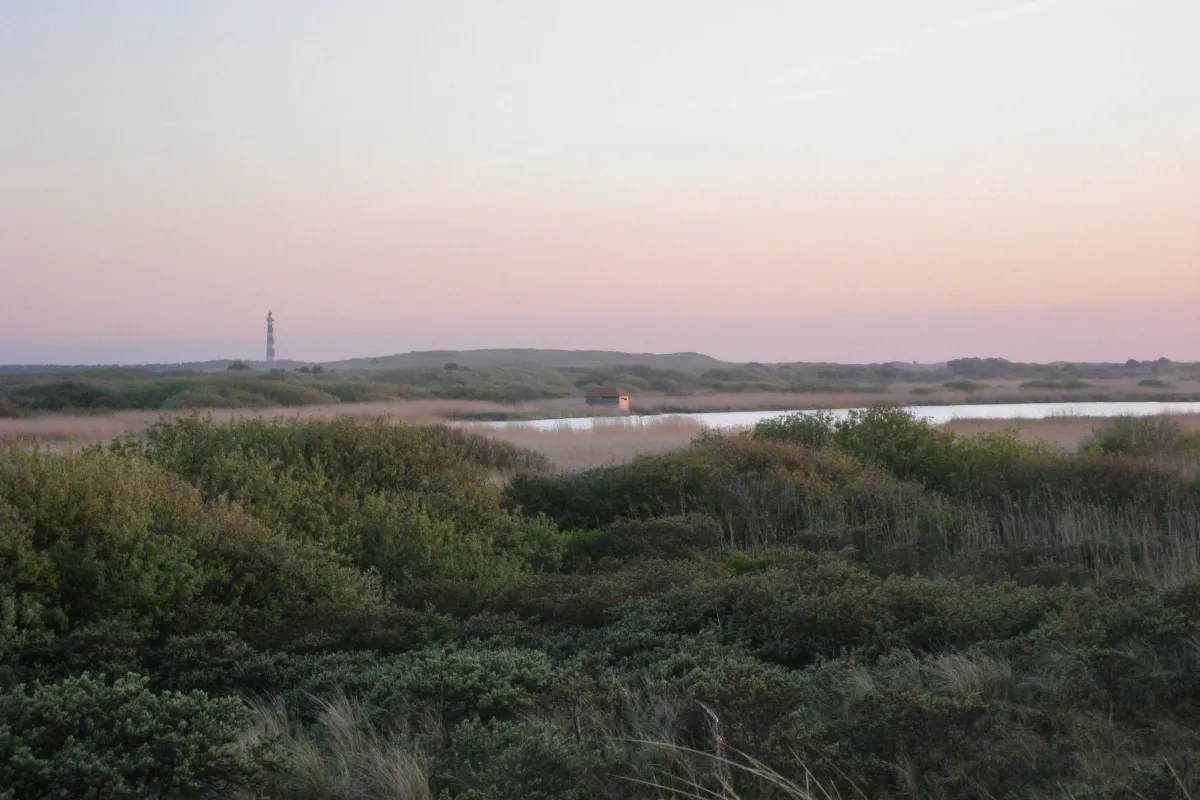
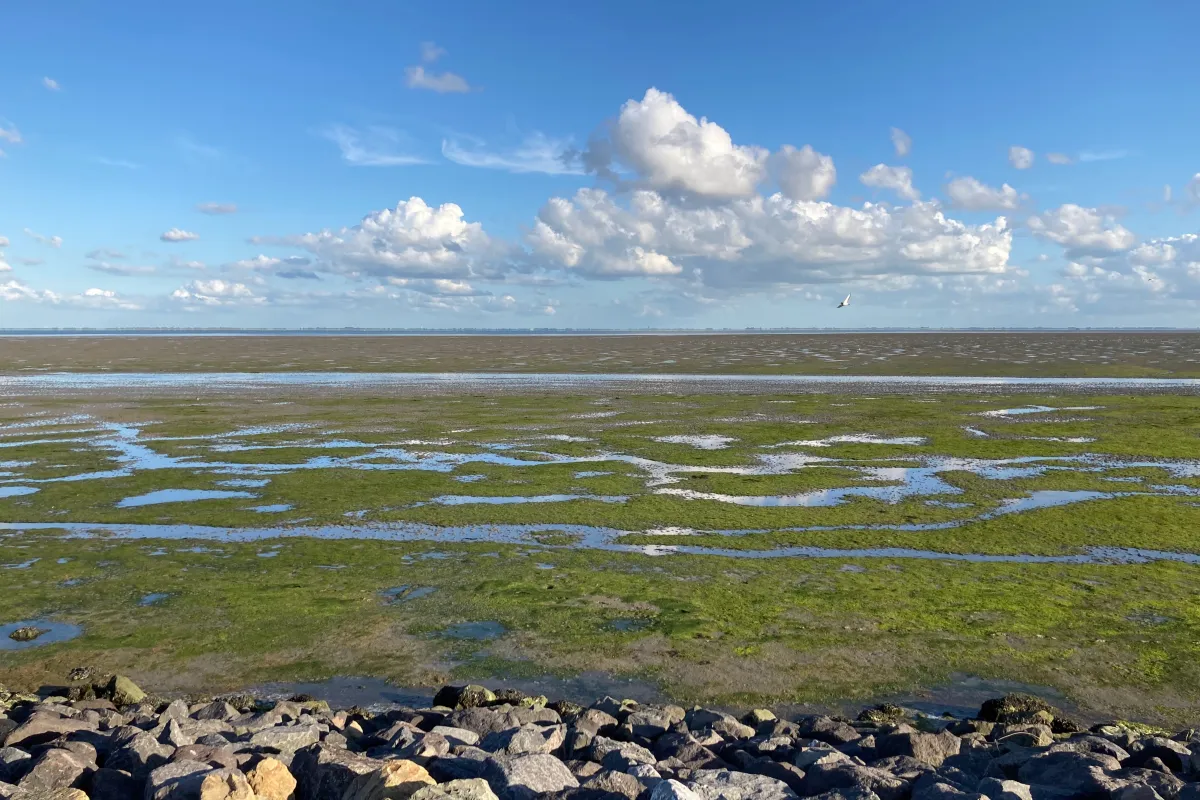
A holiday on Ameland shows you why the Wadden Sea (a treasure trove of biodiversity) is on the UNESCO World Heritage List.
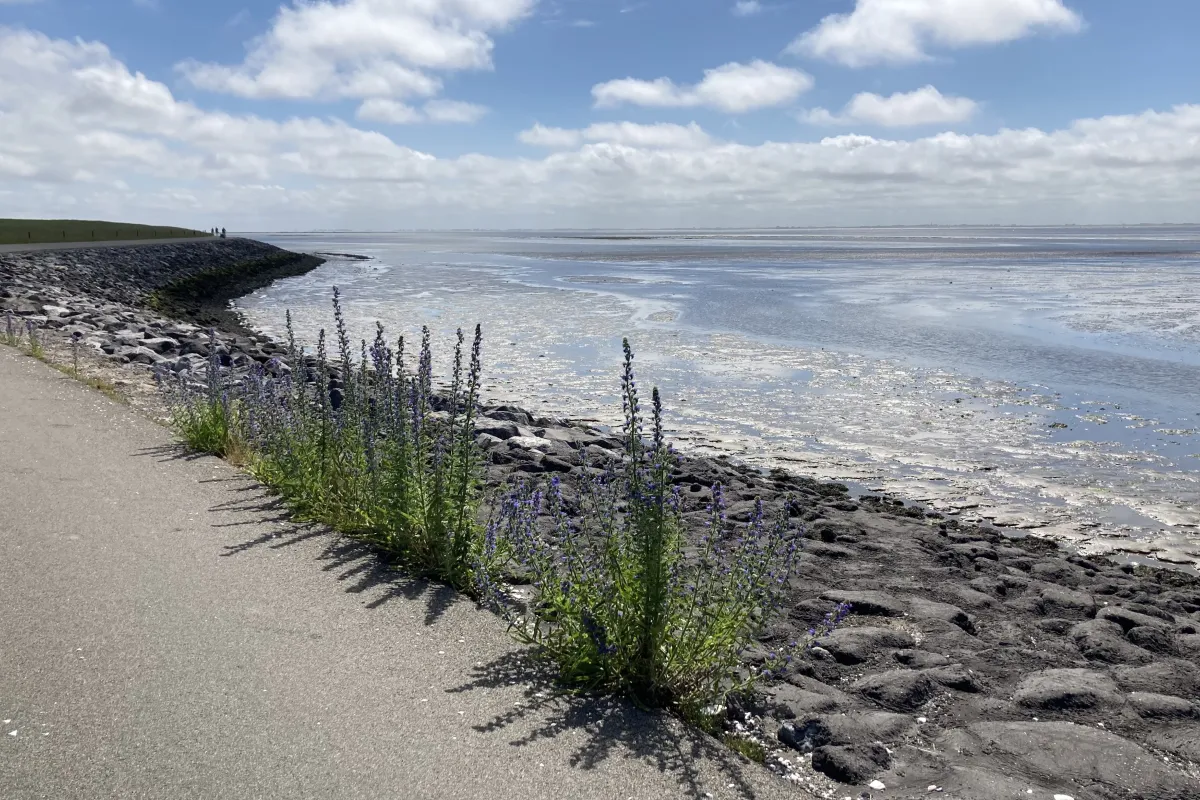
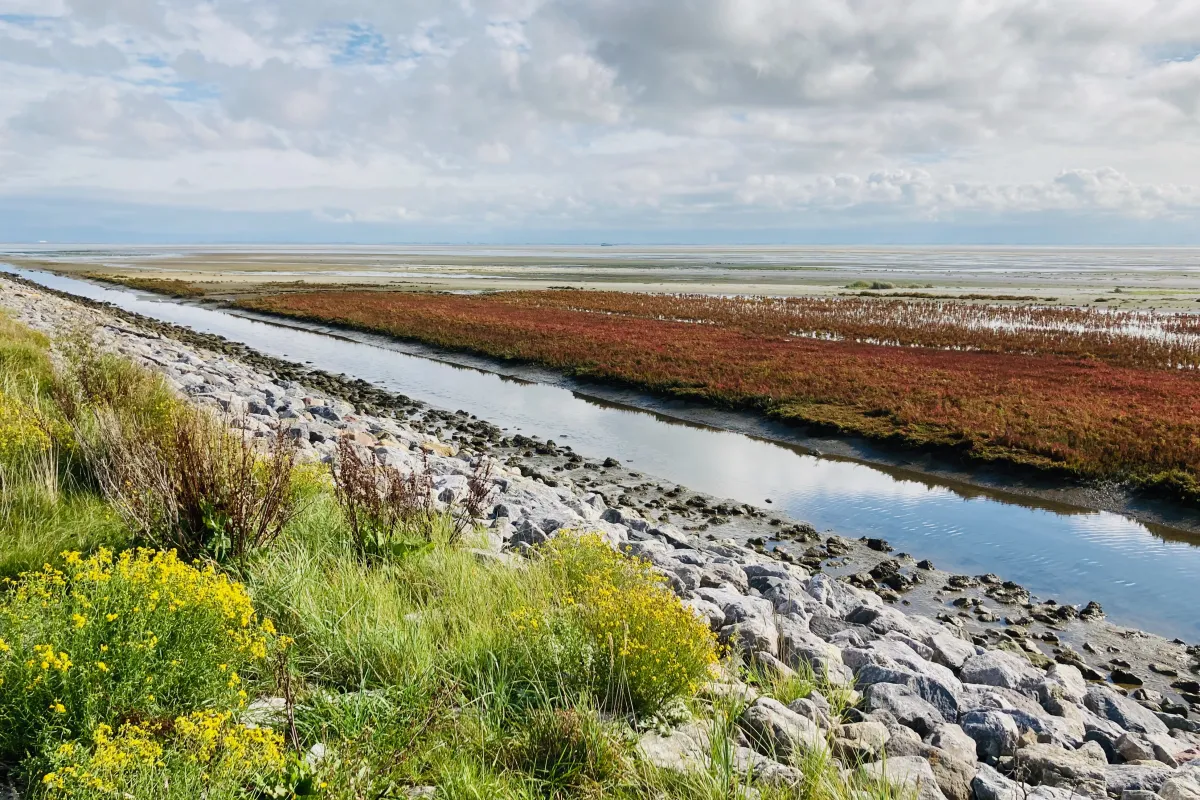
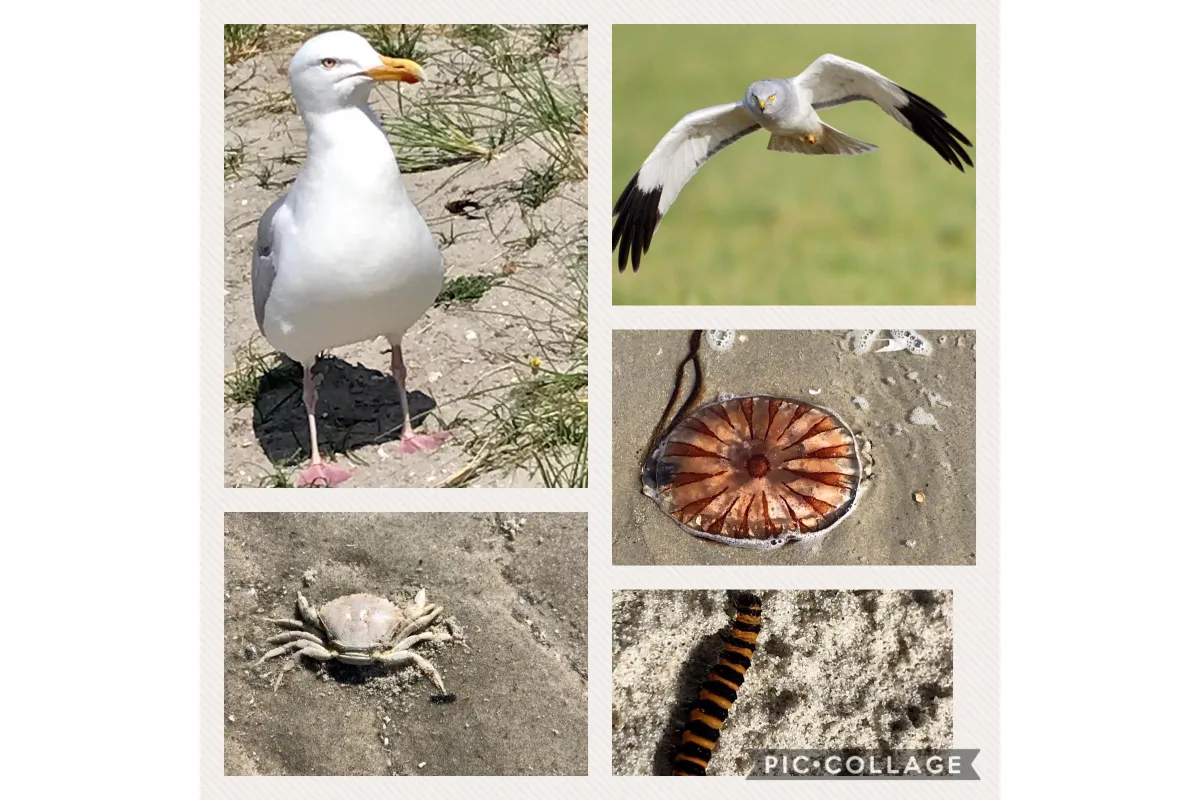
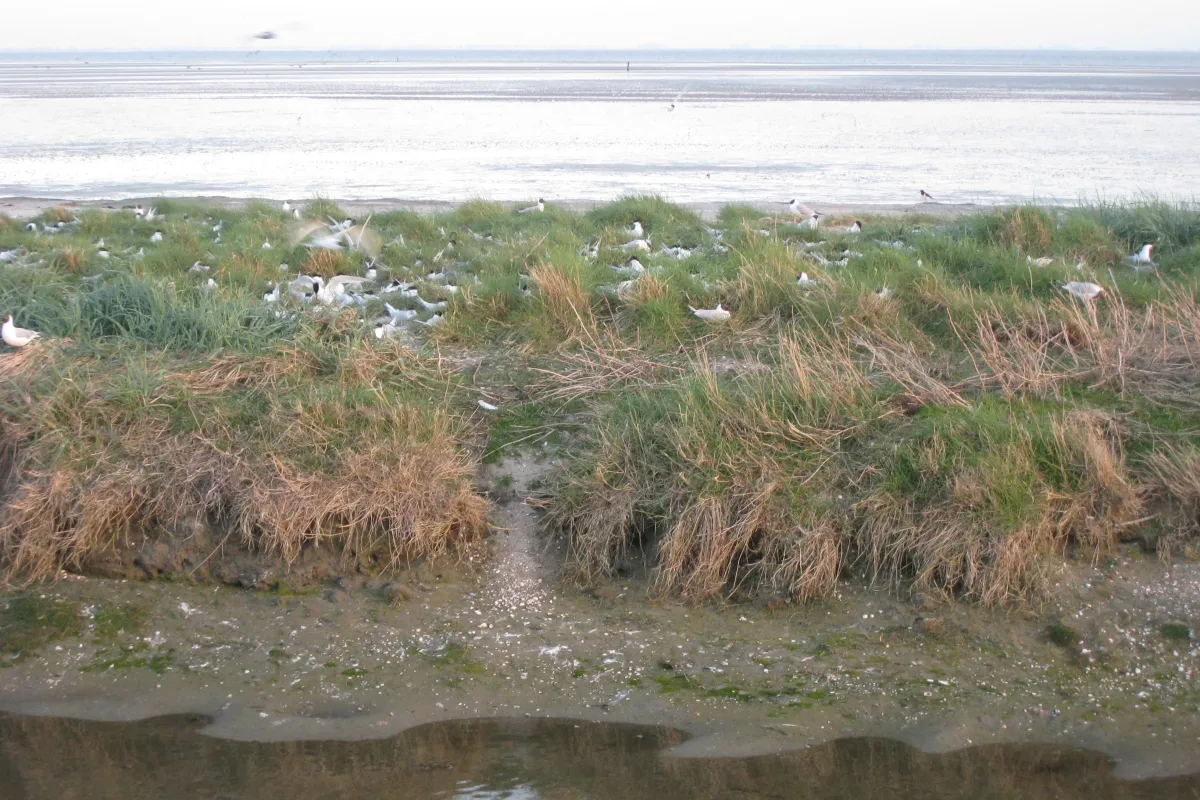
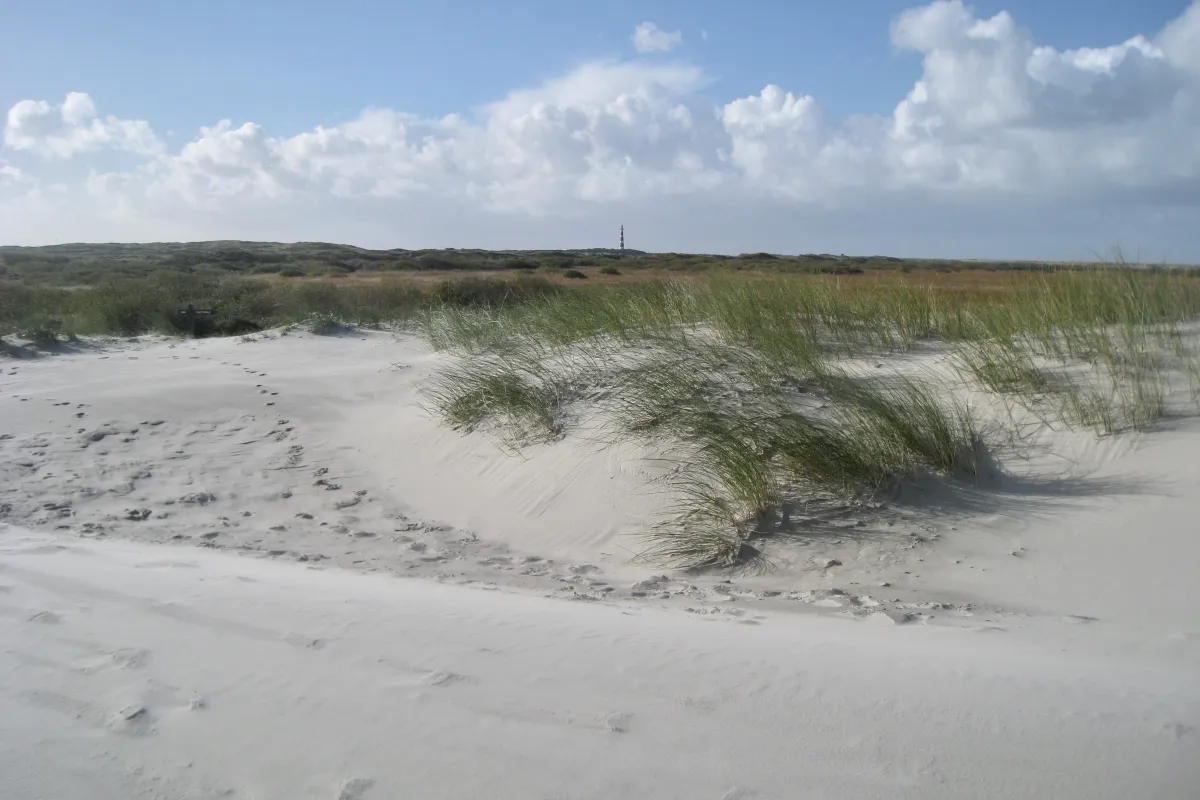
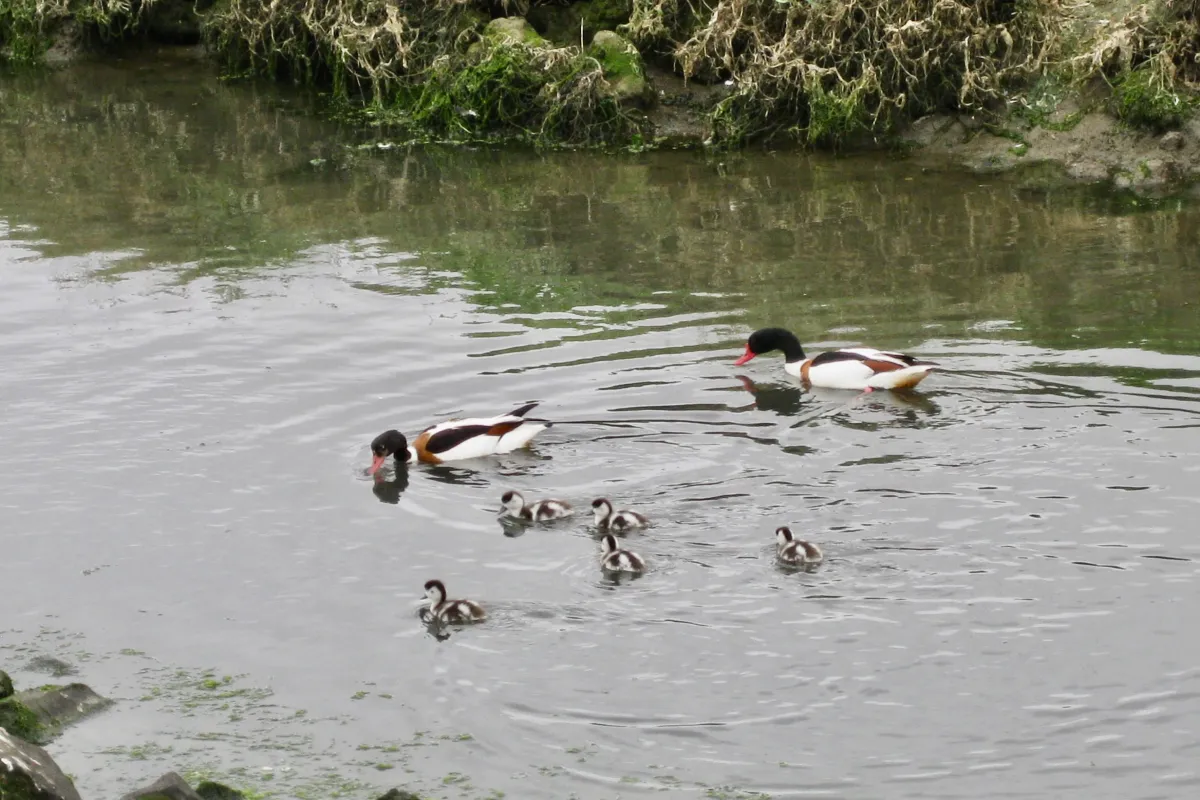
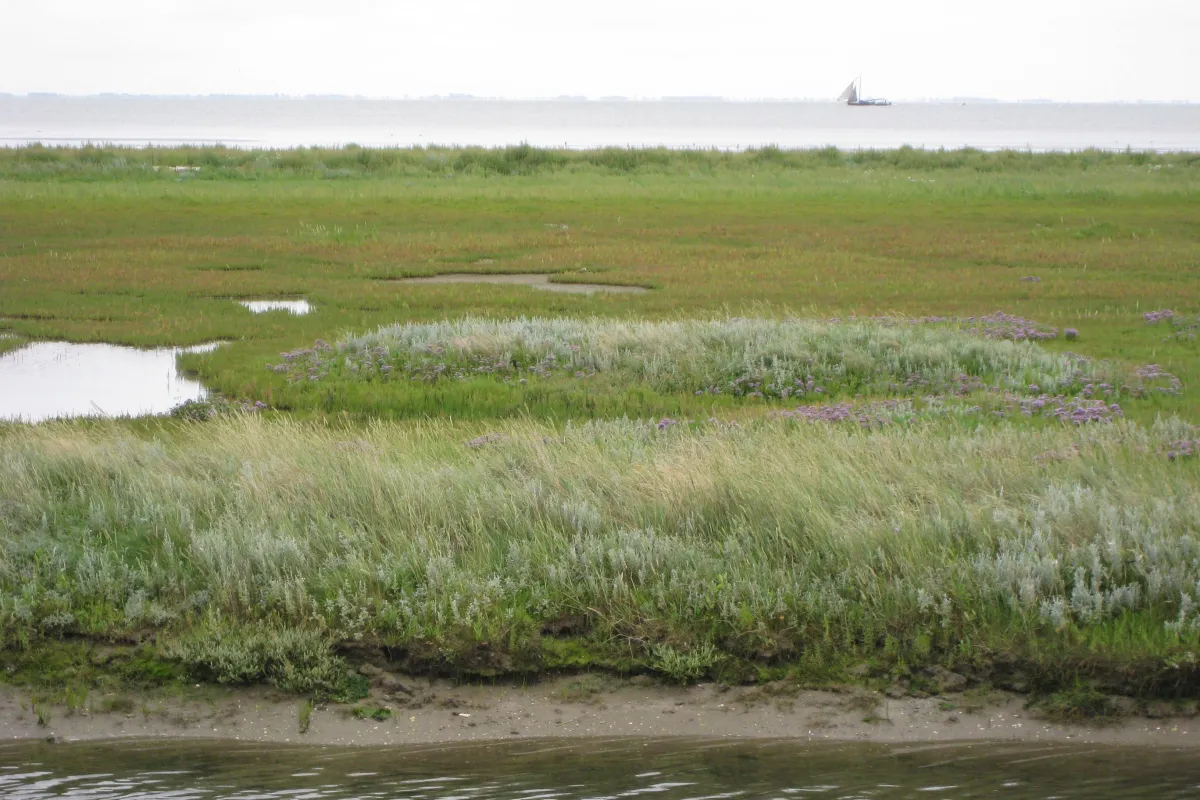
The Wadden Sea, a shallow body of water with a flat coastline, is the only natural World Heritage Site in the Netherlands. It was formed after the last ice age. Because of its globally unique geological and ecological values, the Wadden Sea has been on the UNESCO World Heritage List since 2009. It is the largest unbroken system of sand and mud flats that fall dry at low tide. Its habitats include tidal channels, seagrass meadows, mussel beds, sandbanks, mudflats, salt marshes, beaches and dunes. It is home to a large number of plant species and more than 10,000 animal species, including marine mammals such as the harbor seal, the gray seal and the harbor porpoise. Biodiversity around the world depends on the Wadden Sea. It is also the breeding and wintering ground for 10 to 12 million birds a year. The area is one of the last remaining large-scale tidal ecosystems where natural processes still run their course.
The Wadden area is irreplaceable and unique and must be preserved for the future. The Netherlands has therefore signed a treaty in which it commits to protecting the Wadden Sea World Heritage Site. As a World Heritage Site, the area must have unique natural values and be assured of good protection.